EQUIPMENT SKI TOURING
In ski touring, more than other sports, the combination of outdoor conditions and body effort require a complex dress system. I recommend the famous « three-layer rule. »
— Ski touring equipment at Telemark Pyrenees
Clothes for ski touring
1st breathable layer: it has no other function than to evacuate outward the moisture produced by your body. Synthetic fabrics do this very well but they might be smelly!
Tip: In any case, avoid the good old cotton t-shirt! Once soaked, it no longer drains the temperature and humidity and you’ll experience a cold snap as soon as the temperature drops (wind, shutdown …). If you want to feel comfortable, take a second first layer to put on top if you sweated too much on the climb. You’ll be happy to wear something dry for the descent.
2nd thermal layer: it is the one that will ensure the heat around your body and it is therefore the one that is the most difficult to anticipate. Through experience and self-knowledge, we end up knowing which one is best for us for this type of condition. Moreover, in the spring, some remove it outright (small advice not to have to stop after 5 minutes: always leave with a little cold because you will be breaking sweat!). You don’t have to wear a down jacket or a big fleece, you’re going to get hot!
3rd insulating layer: here we are talking about your second protective layer, the one that protects you from the wind, rain and snow. A hardshell jacket, with a good membrane, will be your best ally. It should be waterproof, or at least water repellent, and breathable, minimum 20,000 mm and preferably with large zippered openings under the arms. It is not necessarily worn whilst skinning uphill unless it’s windy or for thermal isolation if it is really cold (e.g. in the morning, in the shade). However, it will be very useful at the windy summits, skiing downhill and in case of falling on the snow.
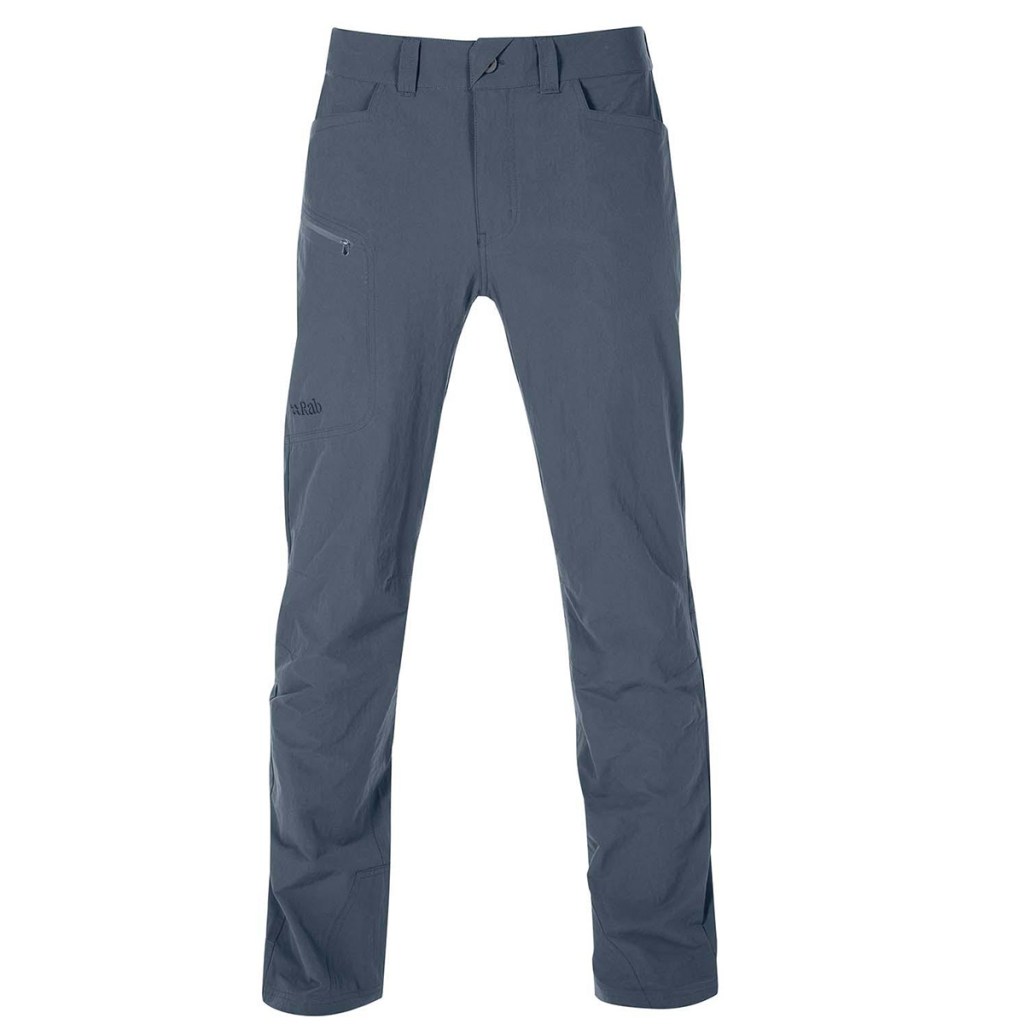
Pants: As with the third layer of the top, it must be breathable and insulating. My choice depends on the weather: in the middle of a windy winter, I wear gore-tex pants that will effectively isolate me. In case of extreme cold, I put a thermal tight underneath to ensure heat on the thighs. When the conditions are more lenient, I take softshell pants, stretchy and more breathable.
Socks: To avoid blisters and remove heat from the boots, I use X-Socks specifically designed for this and reinforced in strategic locations. When I leave over several days, I wear merino wool socks.
The underpants? Oh well… preferably clean!! With two holes to pass the legs. And feel free to chose the color!
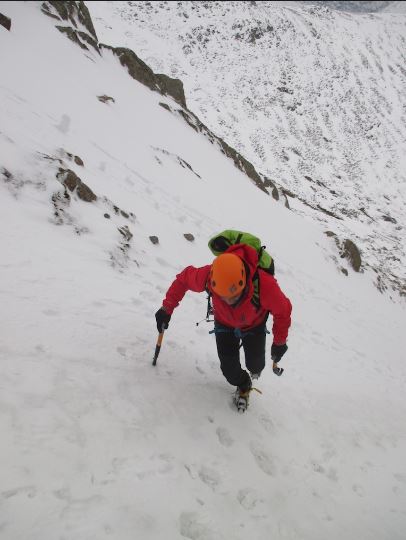
Helmet: above narcissistic ego and desire for freedom, wear for safety! All the federations strongly recommend wearing helmets in ski touring to protect against falling stones and especially from accidental headbutts againsto trees, rocks, concrete snow… Lighter and more breathable than an alpine ski helmet, the French brand Petzl has notably developed two multi-standard models, specifically certified for ski touring.
Goggles or sunglasses? Both my colonel! Sunglasses for the climb and summit. I have polarizing lenses (which adapt to the brightness): a treat to reinforce contrasts, especially in slightly foggy weather). The mask is used for the descent. In case of a fall, it is more resistant, protective and attached, we are not likely to lose it in the powder.
The neck warmer: light and versatile, it is very convenient to protect the throat from the cold or use it as a headband. In cold and/or windy weather, I put a neck warmer with a nose pad. That way, with the mask and helmet, I’m perfectly safe.
Reard more this articles :
 Best Ski Touring equipment and Gear